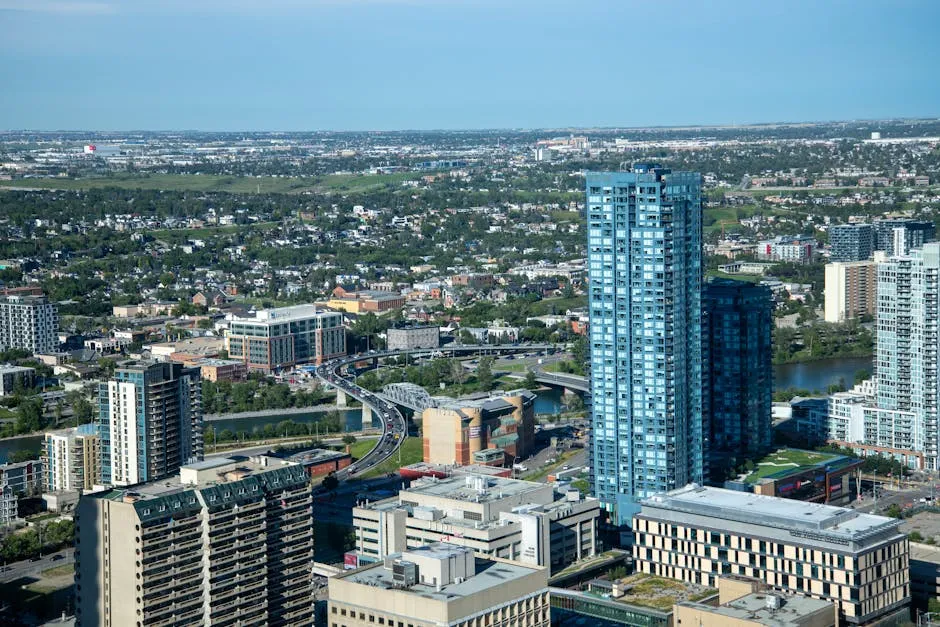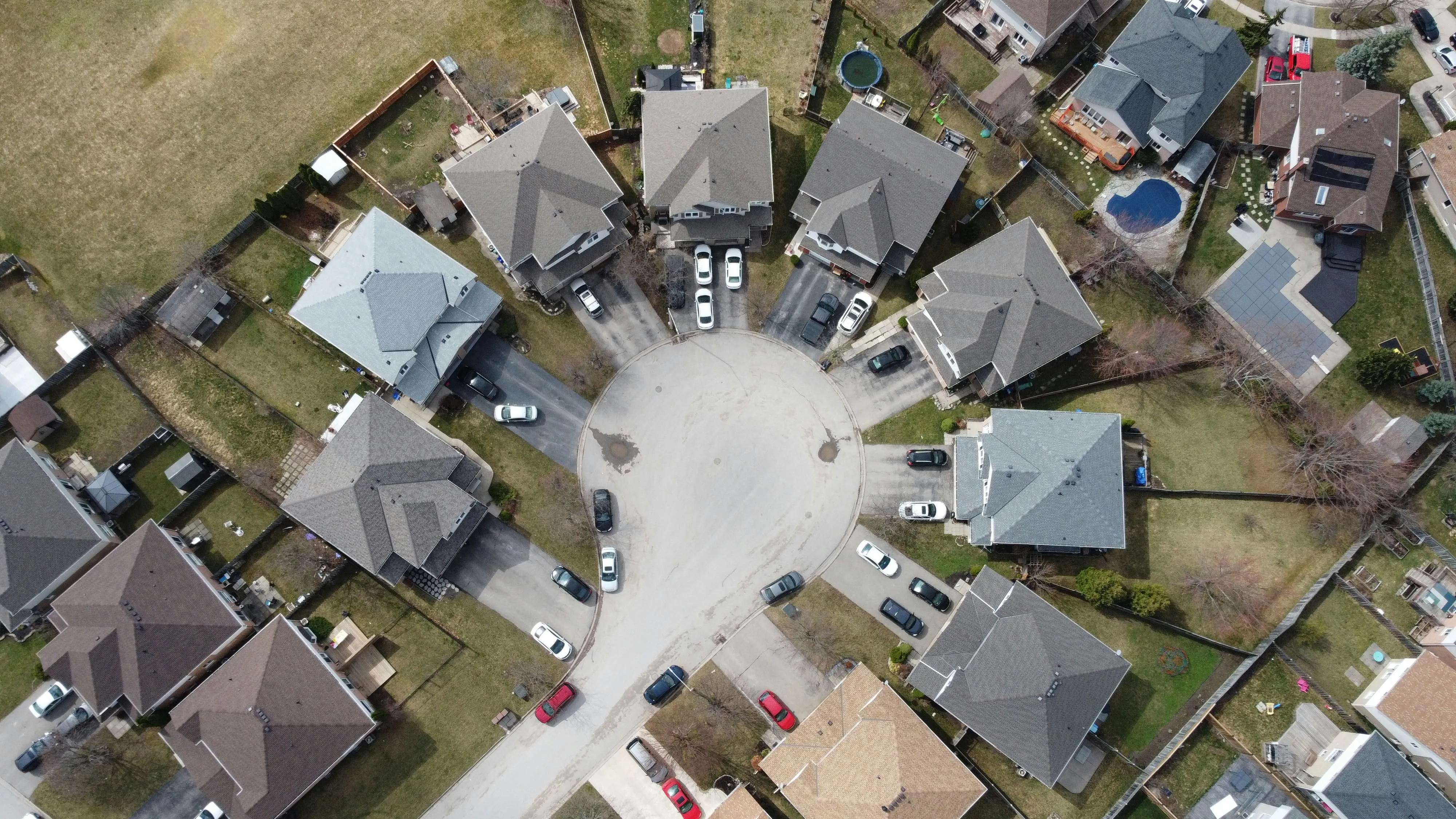
I get some version of this question almost every week right now: “Is it actually a good time to buy or sell in Calgary?” And almost every week I give the same frustrating answer, which is that it depends entirely on which market you are talking about. Because Calgary in 2026 is not one market. It is two markets moving in different directions at the same time, under one set of headlines.
If you only read the top-line number, you would think things are softening across the board. Total sales in May were down 16 per cent from a year ago, and the overall benchmark price is off about three per cent year over year. That sounds like a cooling market, full stop. But underneath that headline, a detached home in an established neighbourhood is still selling in a balanced, stable market, while a downtown condo is sitting in a genuine buyer’s market with prices drifting down. Same city, same month, two completely different experiences depending on what you own or what you are trying to buy.
This is the single most important thing to understand about Calgary right now, and it is the thing that gets flattened in almost every news story. So let me walk through what the numbers actually say, and then what each version of this market means for you specifically.
What “two-speed” actually means
The cleanest way to see the split is to put the two ends of the market side by side. Here is where things sat in May 2026, using CREB’s benchmark prices (the benchmark is a better read than an average because it tracks a typical home rather than getting pulled around by whatever happened to sell that month).
| Type | Typical price range | Notes |
|---|---|---|
| Detached | $747,800 | About 2.5 months of supply. Balanced, prices stable to rising. |
| Semi-detached | $691,100 | Just under 3 months of supply. Balanced, prices roughly flat year over year. |
| Row / townhouse | $422,300 | Above 3 months of supply. Softening, down about 6 per cent year over year. |
| Apartment condo | $300,400 | Above 5 months of supply. Buyer's market, down 9 per cent year over year. |
Months of supply is the number I watch most closely, because it tells you who has the leverage. As a rough rule, under three months favours sellers, three to four months is balanced, and above four months favours buyers. Look at the spread in that table: detached at two and a half months sits in seller-to-balanced territory, while apartments above five months are squarely a buyer’s market. That is not a subtle difference. It is two different worlds.
The reason comes down to supply. Calgary had a wave of apartment and row-home construction over the last few years, and a lot of it is completing now. Inventory across the city hit 6,752 units in May, about 11 per cent above the long-term average for the month, and almost all of that extra supply is condos and townhomes. Detached inventory actually went the other way: it is down about three per cent from a year ago. Builders pulled back on detached starts while they went all-in on higher-density product, and that decision from a couple of years ago is exactly what you are feeling in the market today.
CREB’s chief economist, Ann-Marie Lurie, put it plainly in the May release: the extra supply, plus slower migration and cost-of-living pressure on buyers, has shifted the overall resale market to balanced, but the pressure is landing hardest on apartment-style units where conditions now clearly favour the buyer. The rate backdrop, for what it is worth, is stable: the Bank of Canada has been holding its policy rate at 2.25 per cent, with prime around 4.45 per cent and competitive fixed mortgages in the mid-4s. Rates are not the story this year. Supply is.
If you are selling a detached home
Here is the part most detached owners get wrong: they read the gloomy headline and assume they have missed the window. The numbers say otherwise.
The detached market is still balanced. Two and a half months of supply means a well-priced, well-presented home in an established neighbourhood is not sitting for months waiting for a buyer. Seasonally adjusted detached prices have been stable to slightly rising, and the benchmark actually climbed from $724,000 in January to $747,800 in May. If you own a detached home in a mature part of the city, you have not missed anything. You are selling into a market that still rewards good homes.
But “balanced” does not mean “easy,” and it does not mean “price it high and wait.” The detached market has split internally too. CREB’s West district has been running closer to a seller’s market, with prices holding right at last year’s levels, while the North East district has tipped toward buyers with prices down about seven per cent year over year. Pricing strategy that worked in 2022, when almost anything sold over ask, will cost you money now. The homes that move are priced to the current comparables and shown well from day one. The homes that chase an optimistic number sit, get stale, and eventually sell for less than they would have with accurate pricing up front.
If you own a condo or townhouse
This is the harder conversation, and I would rather have it straight with you than dress it up.
The apartment-condo market is a buyer’s market right now. Above five months of supply, the benchmark down nine per cent from a year ago, and resale sales down nearly 28 per cent year to date. You are competing not just against other resale condos, but against a wall of brand-new units and a soft rental market that gives buyers more reasons to wait. Row and townhomes are in better shape than apartments but still softening, with more than three months of supply and prices off about six per cent year over year.
If you need to sell a condo in this market, it is absolutely doable, but the approach matters more than ever. Price it against what is actually selling, not against what you paid or what the unit down the hall is listed at and not selling for. Presentation and a clean, move-in-ready showing carry real weight when a buyer has fifteen other options. And go in with realistic expectations on timeline. This is not the segment where you list Thursday and field offers Monday.
The flip side, and it is a genuine one: if you own a condo and you are planning to move up to a detached home, the softer condo market is not purely bad news. Yes, you will likely net less on the sale than you would have a year ago. But you are selling in the softer market and buying in the firmer one, which sounds backwards until you do the math on the actual dollars, which I will get to next.
The move-up family math
Most of my clients are families trying to move up, and the two-speed market changes the calculation in a way that is worth being precise about.
If you are selling a condo or townhouse to buy a detached home, the gap between the two is what matters, not either price on its own. When the condo market softens and the detached market holds, that gap widens. You net a bit less on the sale and you pay full freight on the purchase. That is the squeeze, and it is real.
But if you are already in a detached home and moving up to a larger detached home, you are selling and buying in the same balanced market. The percentages move together, which means a softer market can actually work in your favour: a five per cent adjustment on a more expensive purchase is a larger dollar saving than the same percentage on your less expensive sale. The families who get hurt by a shifting market are usually the ones who try to time it, sell now and buy “once things settle,” and end up renting in between while the gap moves against them.
If you are a first-time buyer
For first-time buyers, this is arguably the most workable Calgary market in a few years, and the data backs that up. More inventory means more choice and less pressure. The frantic, write-an-offer-in-an-hour environment has eased in most segments. Rates are stable rather than climbing. And the entry-level condo and townhome segments, the ones most first-time buyers start in, are exactly where prices have softened and buyers have leverage.
Interestingly, CREB’s own numbers show gains at the very bottom of the detached market (homes under $600,000), which tells you there are still motivated buyers competing for the most affordable detached homes even as the overall picture softens. So “buyer’s market” does not mean “no competition anywhere.” It means the competition is concentrated, and a clear-eyed buyer with good advice can do well. If you have been sitting on the sidelines waiting for leverage, in the condo and townhome segments you largely have it now.
Want to know where your home actually sits in this market?
A city-wide benchmark will not tell you what your specific home in your specific neighbourhood is worth right now. I will give you a real, no-pressure read on your home's current value.
Common questions
Is it a good time to buy or sell in Calgary right now?
It depends on which segment you are in, which is the whole point of this post. If you are selling a detached home in an established neighbourhood, conditions are still balanced and a well-priced home does well. If you are selling a condo, it is a buyer’s market and you need sharp pricing and realistic timelines. If you are buying, the condo and townhome segments give you real leverage and choice right now, while the detached market is more competitive. There is no single answer for the whole city, and anyone who gives you one is not looking closely enough.
Will detached prices in Calgary drop in 2026?
The detached market entered mid-2026 balanced rather than oversupplied, with inventory actually down from a year ago and seasonally adjusted prices holding stable to slightly higher. That is a very different setup from the condo market, where excess supply is pushing prices down. Nobody can promise what prices do next, but the supply picture for detached homes does not point to a sharp drop the way it does for apartments. The bigger risk for a detached seller is overpricing into a balanced market, not a sudden price collapse.
Should I sell my condo now or wait for the market to recover?
There is no reliable signal that condo prices bounce back quickly. Two things are working against a fast recovery: a multi-year wave of new apartment supply that is still completing, and a sharp fall in demand as migration slowed through 2026. If you are selling the condo to buy a detached home, waiting can actually work against you, because the gap between the softer condo market and the firmer detached market can widen while you wait. If you do not need to move at all, that is a different decision. The right answer depends on your timeline and what you are buying next, which is exactly the kind of thing worth talking through before you list.
How do interest rates factor into this market?
Less than you might expect this year. The Bank of Canada has held its policy rate at 2.25 per cent, prime is around 4.45 per cent, and competitive fixed mortgages are in the mid-4s. Rates are stable, not the source of the volatility. What is driving Calgary’s two-speed market in 2026 is a wave of new apartment and row-home construction landing just as demand for higher-density homes fell away with slower migration, while detached supply stayed tight. Stable rates are part of why the detached market has held up.
Where do these numbers come from?
All of the figures here are from the Calgary Real Estate Board’s May 2026 statistics, released June 1, 2026, covering the City of Calgary. Benchmark prices, months of supply, and sales counts are CREB’s. The district-level details (West running tighter, North East softer) are from the same release. Numbers shift month to month, so if you are reading this well after publication, treat the specific figures as a snapshot and reach out for the current picture in your neighbourhood.
The honest summary
Calgary in 2026 is two markets wearing one headline. Detached homes are balanced, supply is tight, and well-priced homes still sell and hold value. Condos and, to a lesser degree, townhomes have shifted to the buyer, with more supply, softer prices, and longer timelines. Whether the market is “good” or “bad” right now depends entirely on which side of that split you are standing on, and often on which specific district your home is in.
That is also why a city-wide number, whether it is a headline or a free online estimate, is close to useless for an actual decision. What matters is your property type, your neighbourhood, and the last 60 to 90 days of real comparables in your pocket of the city. If you want an honest read on your own home, on either side of the split, that is the conversation I am here to have.